AI 360 Loop
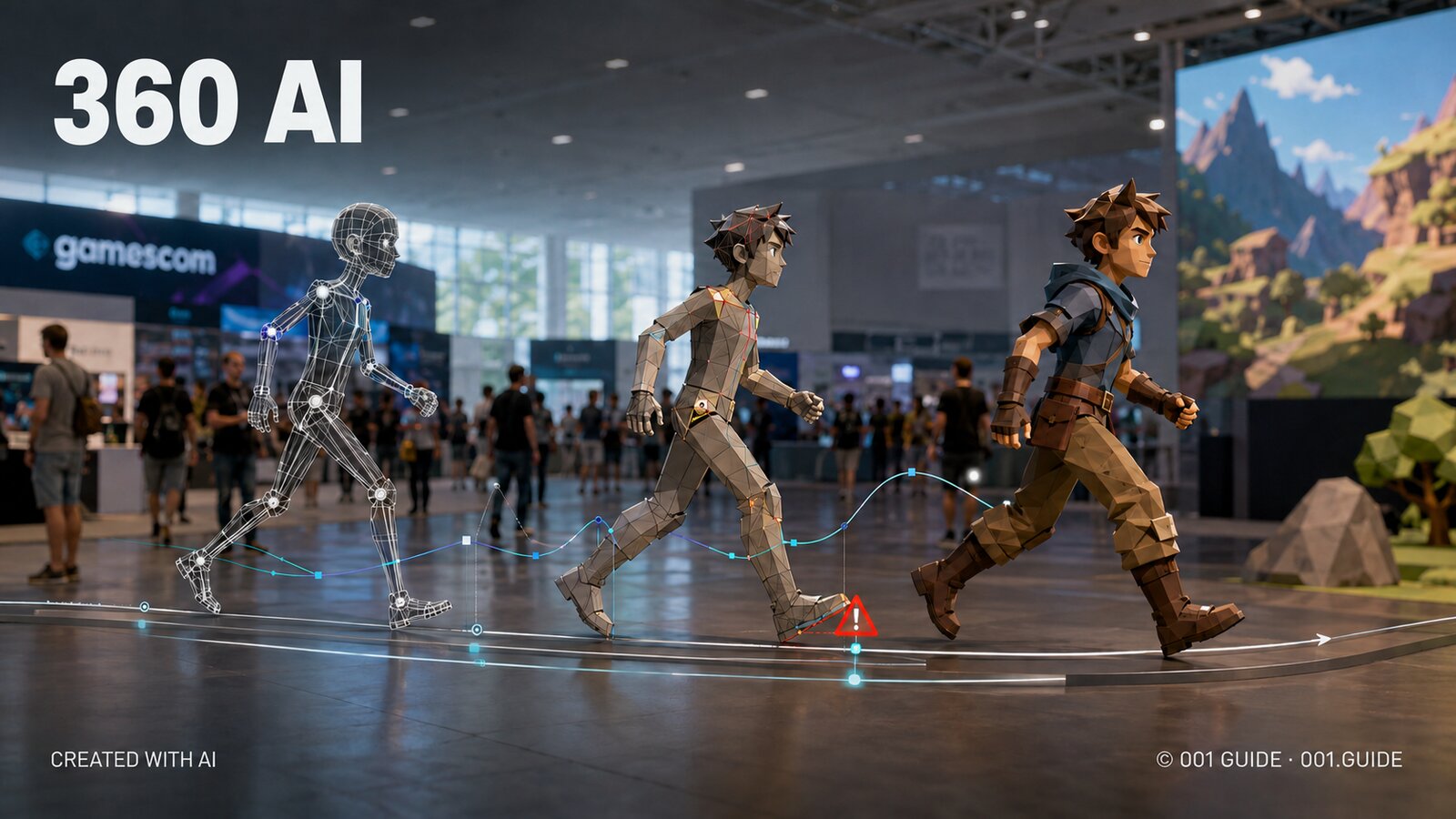
The first wave of AI in game development consisted of individual tools: generate an image, write code, produce a motion. Now the next phase begins. The tools connect into complete production pipelines.
Notes and takes on the wider games and creator-economy landscape.
View All Tags
The first wave of AI in game development consisted of individual tools: generate an image, write code, produce a motion. Now the next phase begins. The tools connect into complete production pipelines.
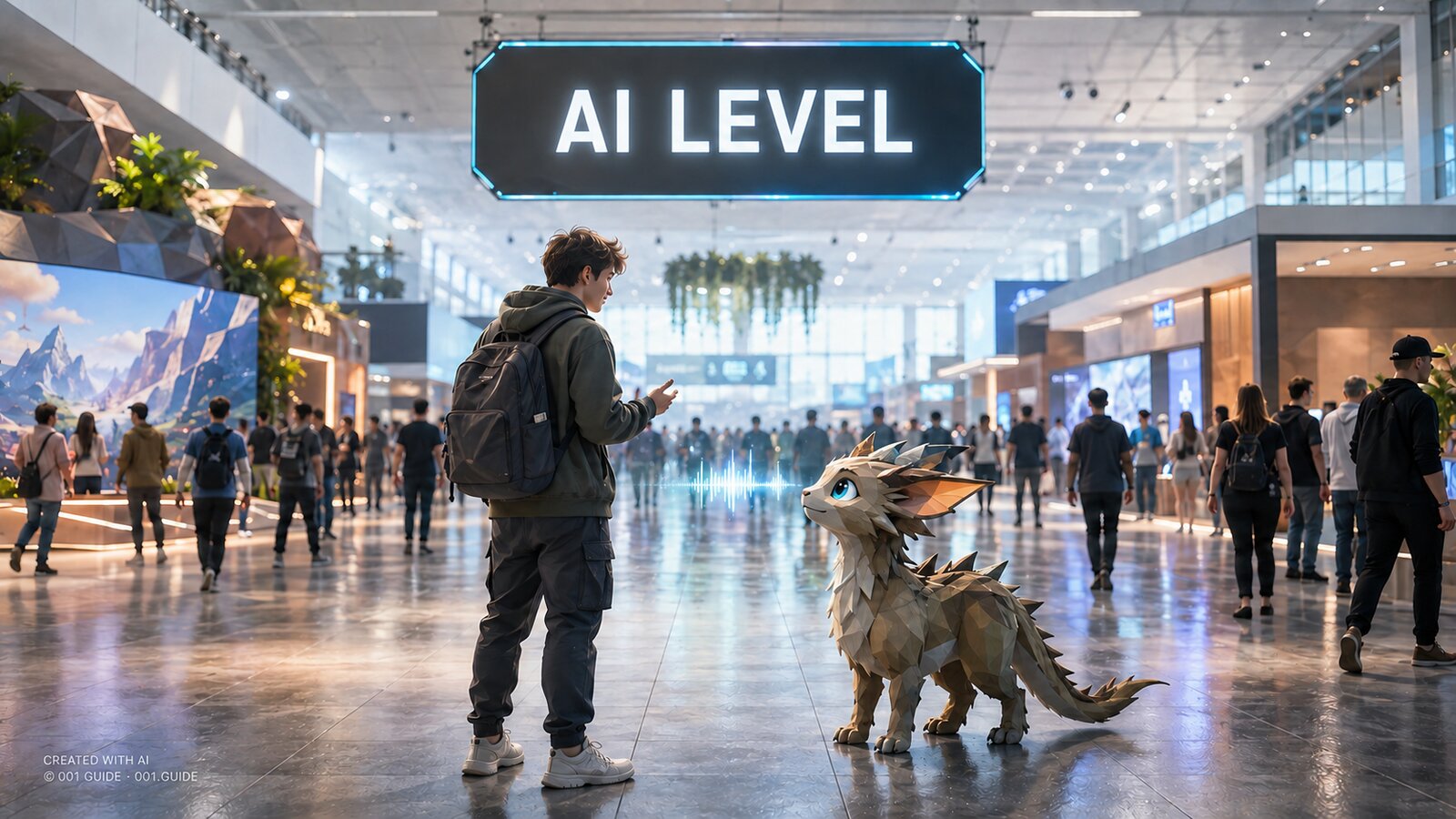
NVIDIA is showing with Aniimo how concrete AI in gameplay can actually get. Starting in 2027, players should be able to talk freely to their creatures, teach them skills, and give them tasks.

The worldwide hit RollerCoaster Tycoon was born at a time when developer teams were still small and games were often personal author-products. At the core of the first version stood essentially a single developer who designed and coded his idea over two years.
While the established names at gamescom are showcasing their next brands and sequels, a different movement is emerging away from the big stages. Small studios and solo developers have long recognized — and are already demonstrating — that AI gives them capabilities which used to require large teams, considerable time, and matching budgets.